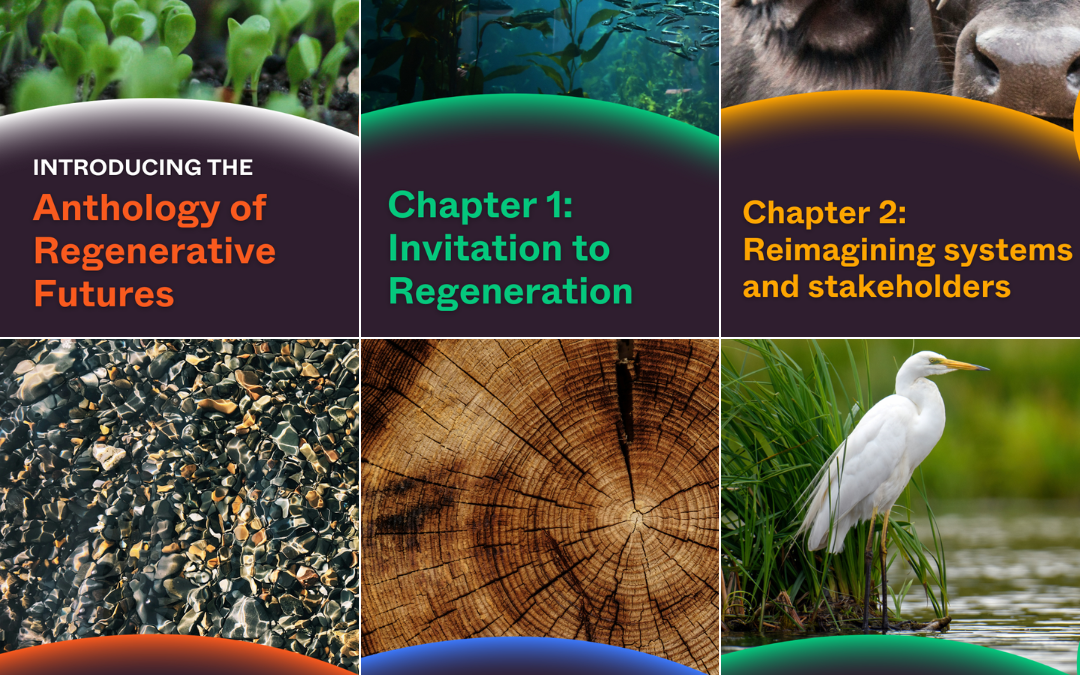
the anthology of regeneration which our hearthkeeper, Wangũi wa Kamonji contributed to along with 12 other researchers, activists and practitioners from around the world was published a month ago. Called together by Unearthodox, a conservation nonprofit based in Switzerland, many heads, hearts and hands came together to explore what regeneration means across different contexts, cultures and ways of knowing.
The anthology contains multivocal chapters on regeneration as defined through the lived realities of indigenous and reindigenising communities, persistent harmful actions that impede regeneration, regenerative ways of understanding systems and stakeholders and reflections on how we as researchers came to understand regeneration through the process of writing. Chapters feature the experiences of pastoralists as they move with their animals, fisherfolk as they confront evictions and dams, activists protecting coastlines, communities coming together to articulate a common vision for a watershed, migrant communities who have resettled, practitioners engaging new facilitation tools that enable collaboration, folk tales and ants’ perspectives as a way of seeing, initiation rituals, practices of speaking with and making decisions with land and so much more.
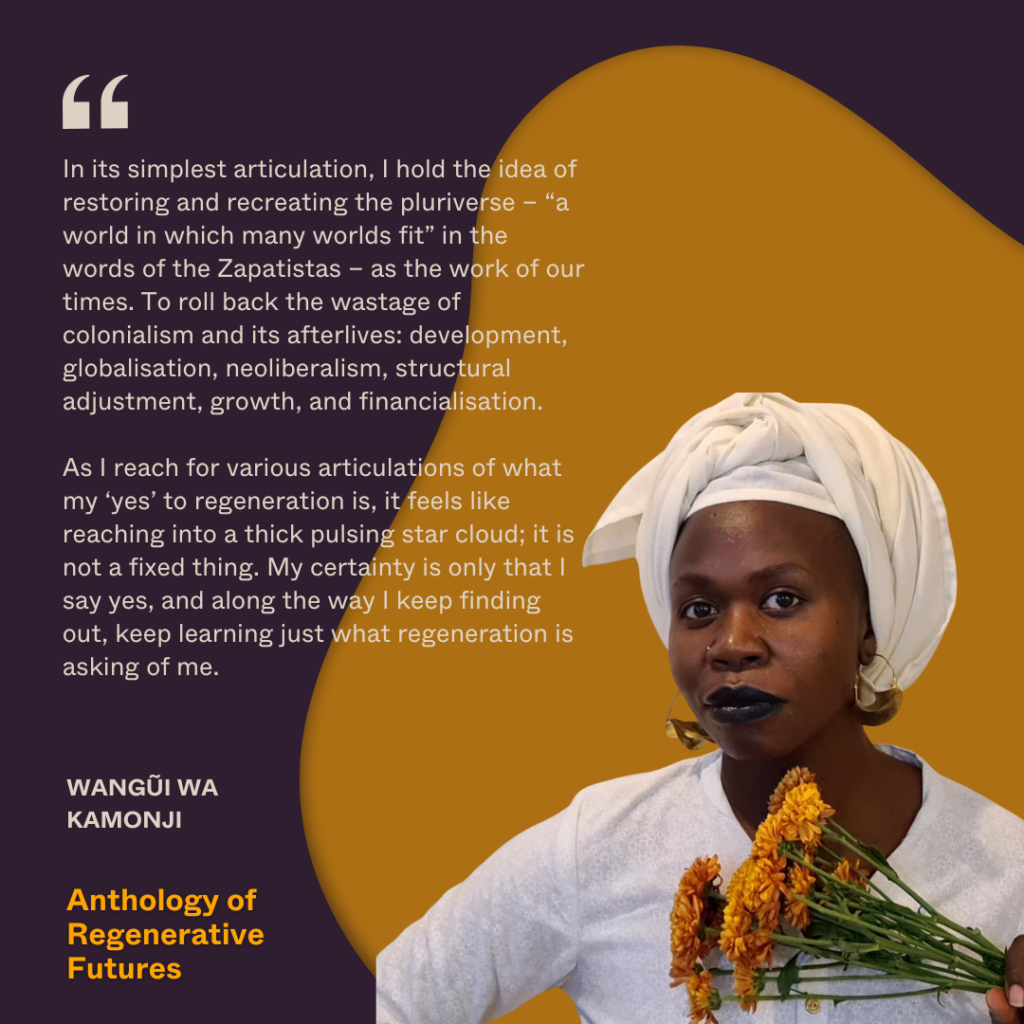
Writing this wasn’t an easy process. It required confronting internalised colonial systems as will be the case in a world that is still running on colonial blueprints. It also required holding space for discomfort, feedback, grief while walking out in the flesh what regeneration asks of us. Because regeneration is process it also invited us to honour that regeneration is never finished.
Explore the anthology here: https://unearthodox.org/anthology-of-regenerative-futures/